
Art Classes, Workshops and Events in McKinney, TX
McKinney is the farthest of our regular student cities, and McKinney students still come. The drive to the Art Be You studio in Richardson runs about thirty minutes south on US 75, and the people who make it tend to stay, session after session. What they are driving to is a small class, four to six students, taught by a professional painter in a working studio, with every material included. If you are looking for art classes in McKinney, TX and want more than a one evening painting party, this page explains the option your neighbors are already using.
Art Be You is led by Bartosz Beda, a painter with an international exhibition record who has taught adults, seniors, and children for years. McKinney has a strong art culture of its own, anchored by its historic square. Our students there split their art life in two: they look at art in McKinney, and they come south to make it.
Painting Classes for McKinney Adults
Two courses meet each week at the studio, both in the evening from 6 to 9 PM. The timing suits McKinney drivers: leave after the early rush, take US 75 south to Richardson, and arrive with time to spare.
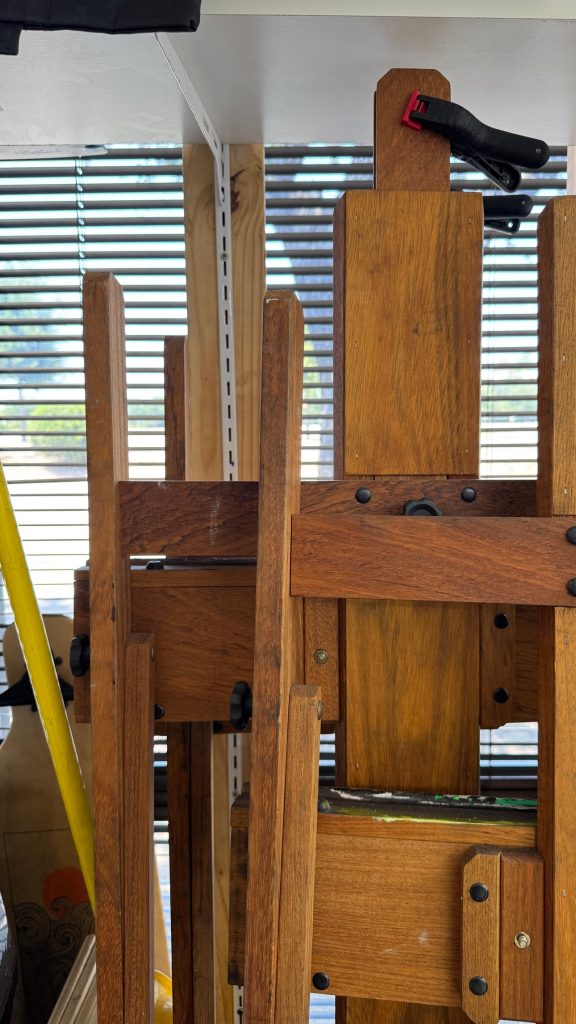
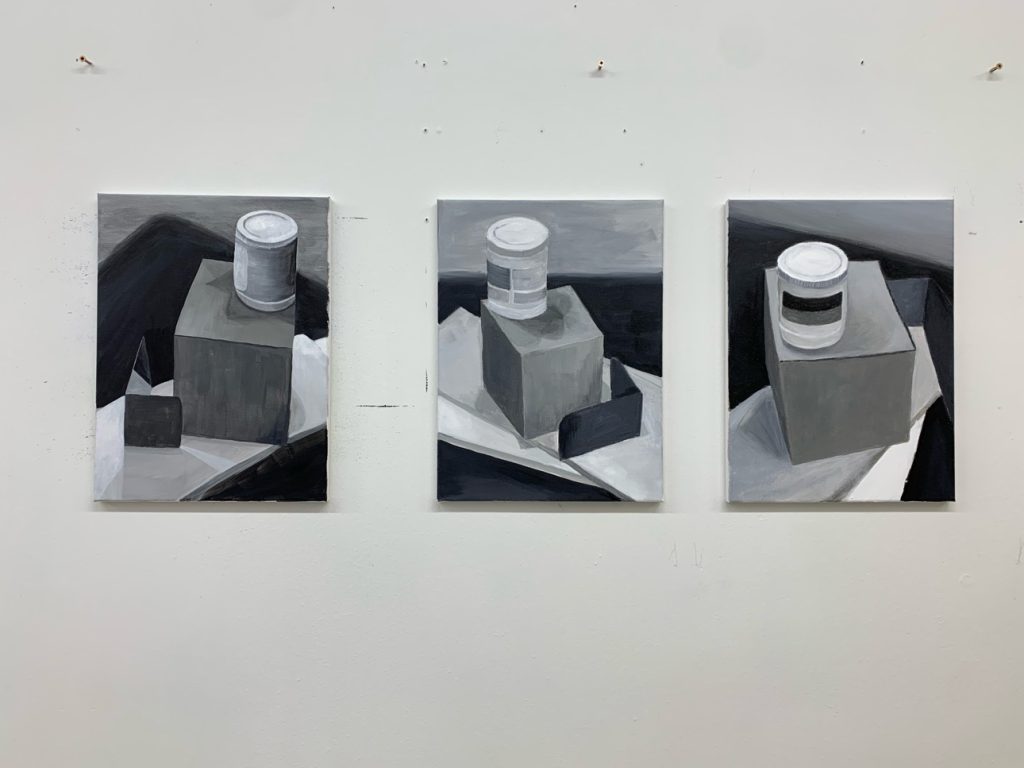
The acrylic painting course meets on Tuesdays. Acrylic is the practical medium for a commuter student. It dries between sessions without special storage, travels in a car without smearing, and lets a painting be built in clear stages, one per evening. Students work on canvas through still life, landscape, and their own subjects, with the teacher demonstrating each stage at the front of the room before walking the room to correct each canvas in turn.
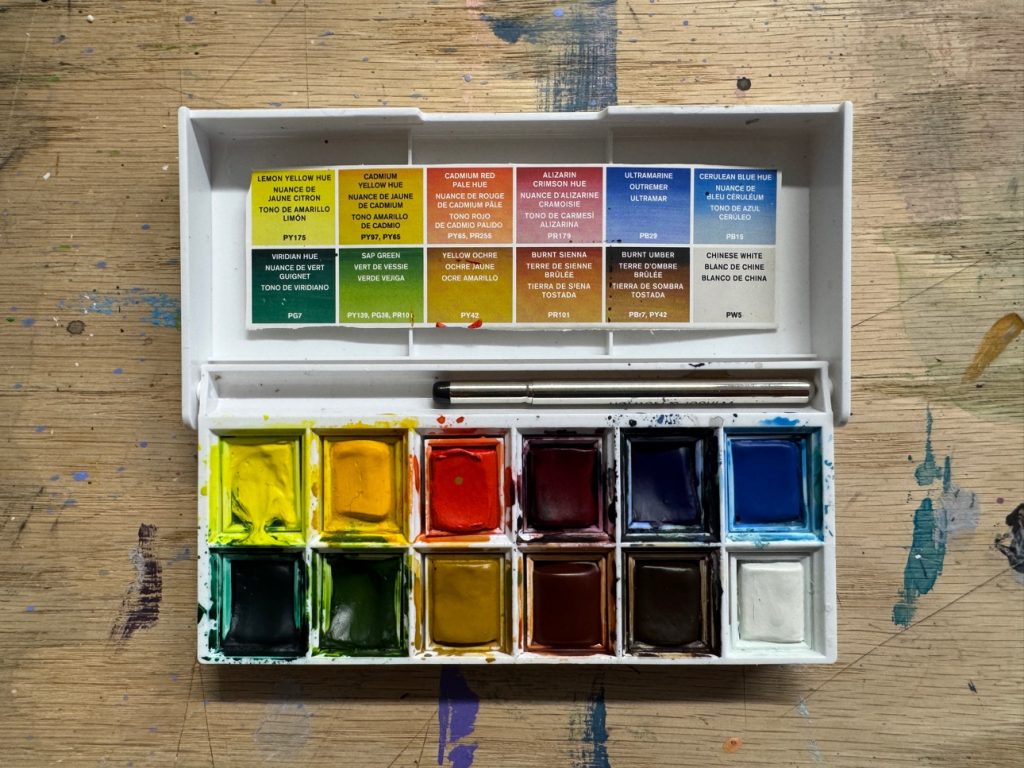
The watercolor painting course meets on Thursdays. Watercolor suits McKinney’s many landscape photographers, because it is the medium of light and atmosphere. It is taught in stages: controlling the water, timing the wash, and planning the whites before the first color goes down. Students who plan well are rewarded. Students who rush learn why the planning matters.
Neither course follows a fixed script. The teacher sets each evening’s work from the paintings in the room, so a beginner’s first month and a returning student’s harder project both get direct attention. Sessions run in short blocks through the year. Current dates and open seats are on the class pages, and the art classes overview compares the two mediums if you are deciding.
Workshops That Come to You in McKinney
McKinney groups do not need to send anyone south. An Art Be You workshop runs in your building, lasts about ninety minutes, and includes paints, brushes, canvases, table covers, printed instructions, setup, and cleanup. Every participant leaves with a finished painting.
Senior communities are a growing part of McKinney as the city fills with both young families and retiring couples, and their activity programs book painting workshops because the format works for mixed abilities. Canvases arrive with the drawing already sketched. Residents paint, sign their work, and hang it, and the teacher sets a pace that keeps slower painters comfortable without holding back the fast ones.
Corporate and team events fit McKinney’s office growth along US 75 and the Sam Rayburn Tollway. A team of up to thirty paints together for ninety minutes, and companies book the sessions for holiday parties and appreciation events. The full offer is on the art workshops page.
Historic and community groups in McKinney also book one time sessions, including groups that want a workshop tied to the square or to a local exhibition. If your group has a room with tables, the workshop fits it.
McKinney and the Arts
McKinney’s art life is the strongest of any city its size in the metroplex, because it kept its nineteenth century downtown instead of demolishing it. These are the places we send McKinney students.
McKinney Performing Arts Center. The city’s anchor stands in the middle of the square: the old Collin County Courthouse, built in the 1870s, remodeled in 1927, and restored to reopen in 2006 as the McKinney Performing Arts Center. The courtroom is now a theatre of about 427 seats, with the judge’s bench and jury box still in place. Concerts, plays, and comedy run through the year, and simply standing inside the building teaches a painter something about how Texans built when they expected buildings to last.
The Historic Downtown Square. Around the courthouse, more than a hundred shops, galleries, restaurants, and studios fill one of the largest historic commercial districts in Texas. Galleries show regional artists, the square hosts arts events and festivals through the year, including the spring Arts in Bloom festival, and the storefronts themselves, brick, stone, painted signs, are a standing lesson in looking. Students are assigned the square as homework more often than any other place on our city pages.
Heard-Craig Center for the Arts. A few blocks from the square, this restored Victorian mansion, once the home of merchant Stephen Heard, hosts art exhibitions, receptions, and events, and is connected with the Art Club of McKinney, one of the oldest art clubs in Texas. It is the city’s drawing room for visual art.
Heard Natural Science Museum and Wildlife Sanctuary. On McKinney’s eastern edge, 289 acres of prairie, wetland, and bottomland forest, founded in 1967 by Bessie Heard. Trails and boardwalks run through it, and the museum shows natural history exhibits and live animals. For painters, the sanctuary is the city’s landscape studio: native grasses, water, and woods that look the way North Texas looked before the suburbs.
Collin County History Museum. Downtown, inside the 1911 post office building. Its exhibits tell the county’s story, admission is free on several days each week, and its photographs of old McKinney are drawing references a student cannot buy.
Chestnut Square Historic Village. A collection of McKinney’s oldest buildings, some dating to the 1850s, gathered a few blocks south of the square: houses, a chapel, a one room school, and a general store. It hosts tours, a farmers market, and seasonal events, and it is the best place in the city to draw historic Texas architecture without leaving town.
What McKinney Students Paint
McKinney students arrive with the best photograph folders of any city we serve, because their city hands them subjects.
The courthouse square is the standing assignment. Students photograph it in different seasons and hours: morning brick, evening lights, the courthouse tower over the storefronts. One square painted four times teaches more about light than four different subjects painted once.
The Heard sanctuary supplies the landscape work: prairie grass, creek water, bottomland trees. Students who walk its trails with a camera come back with the raw material for months of watercolor studies.
Adriatica, the stone village built around a lake on McKinney’s west side, with its bell tower and chapel modeled on a Croatian coastal town, gives students architecture that looks European ten minutes from home. It has produced some of the most ambitious paintings in the class, mostly by students who first insisted they could not paint buildings.
Wilson Creek and Towne Lake add the water subjects, reflections and open sky, close enough for a student to photograph on a weekday evening and paint the same week.
The pattern is always the same. A student picks one McKinney scene, stays with it across a session, and learns the professional secret: the subject matters less than the looking, and living in a beautiful old county seat is looking practice built into daily life.
A Short History of McKinney
Both the city and the county are named for one man. Collin McKinney was a pioneer surveyor and one of the signers of the Texas Declaration of Independence in 1836, the oldest of the men who signed it. Collin County was created in 1846, and when the first county seat proved to be in the wrong place under the law, an election moved the seat here in 1848. In 1849 William Davis donated 120 acres for the townsite, and McKinney was incorporated.
The town grew as a cotton and farming center for the Blackland Prairie. The railroad arrived in 1872, mills and gins followed, and by the early 1900s McKinney was a prosperous county seat with the brick downtown that survives today. The courthouse at its center was built in the 1870s, said at the time to be the tallest building in Texas north of San Antonio, and remodeled in 1927 into the classical landmark on the square now.
McKinney stayed a town of about 15,000 into the 1980s, then the metroplex reached it. Growth along US 75 turned it into one of the fastest growing cities in the country: about 55,000 people in 2000, and about 200,000 today. What McKinney did differently from its neighbors was protect the old center while the new city grew around it. The square was restored rather than replaced, the courthouse became a performing arts center, and the result is a modern suburb with a genuine nineteenth century heart. That combination, new growth around an old core, is why the city keeps landing on best places lists, and why its residents include so many people who chose it on purpose and take an interest in its culture.
Getting to the Studio from McKinney
The studio is in Richardson, about thirty minutes south on US 75 from most McKinney neighborhoods. Students from the historic district and the east side use US 75 directly. Students from west McKinney and Stonebridge take the Sam Rayburn Tollway or US 75 from the McKinney Ranch side. Evening classes start at 6 PM, set so the drive happens as the worst of the rush clears, and McKinney students reliably make it.
Parking at the studio is free and close to the door, which students carrying a canvas at 9 PM value more than any other fact on this page. DART does not reach McKinney, so the car is the way, and every McKinney student we have treats the half hour as part of the ritual: music on, work off, painting next.
Questions McKinney Students Ask
Is thirty minutes too far for a weekly class?
Our McKinney students say no, and they renew at the same rate as Richardson students. The drive is one straight highway run, and the class is three hours, so the ratio works. If you are unsure, take one session and judge by whether you look forward to the drive. Most do.
What should I take first, acrylic or watercolor?
Acrylic if you want structure and forgiving corrections. Watercolor if you love landscape and light and accept a harder teacher. Many McKinney students take acrylic first and watercolor second. The art classes overview lays out both.
Do I need my own materials for the drive and storage?
No. Everything is provided at the studio, and acrylic paintings dry fast enough to ride home the same evening in most cases. The teacher will show you how to carry a wet canvas safely.
Can a McKinney group book a workshop locally?
Yes. Senior communities, companies, and private groups in McKinney book single workshops, and everything travels with the teacher. Start at the art workshops page.
Can I give a class as a gift?
Yes. A gift art class covers a full session, and the person receiving it picks the course and session that fit their schedule.
Start Painting, McKinney
McKinney already looks at art seriously: the square, the Heard, the galleries. The studio thirty minutes south is where you stop looking and start making, in a group small enough for the teacher to know your painting by name. Choose the acrylic painting course on Tuesdays or the watercolor painting course on Thursdays, and check the current session on the class page.
Every city we serve is listed on the Where We Teach page. Follow the studio on Instagram and Facebook to see what students are painting this month.