Every beginner knows this moment. You can see the color you want. It is right there in front of you, on the leaf, on the wall, in the photograph. You mix. You paint a stroke. And the color on the paper is not the color you saw.
Most people blame their eye. They think they cannot see color, or that mixing is a talent other people were born with. In my years of teaching adults, that is almost never the problem. The problem is simpler, and it is good news. Mixing is not mainly about seeing. It is about proportions.
A mix is a balance of amounts. Get the amounts right and the color follows. Get them wrong and even a good eye cannot save the mix. This page explains how that works, why mixes go wrong in three predictable ways, and the plain habits that make it easier.
The one idea behind every mix
Think of any color as three parts working together. There are the light parts, the high tones. There are the middle values, the mid tones. And there are the dark parts, the shadows.
Every color you mix sits somewhere inside that range. When a mix disappoints you, it is usually because one of those parts got the wrong share. Too much of the dark side and the color turns heavy and dull. Too little, and it looks weak and washed out.
I say this to students often. What goes wrong in mixing is rarely the choice of colors. It is the lack of control over the proportions. If the proportions in the high tones, the mid tones, and the shadows are wrong, every color that comes out of the mix will be off.
That is why two people can use the same two paints and get different results. The colors are the same. The amounts are not.
The encouraging part is that proportions can be learned. Control comes with practice, the same way control of a brush comes with practice. Nobody starts with it, and everybody can build it.
A mix is mostly one color
Here is the picture to keep in mind. A healthy mix is mostly one color, with a little of another color added to shift it.
The second color is a seasoning, not an equal partner. You add it in small amounts. You stop and check. You add a little more only if the mix still needs it.
This matters because colors are not equally strong. Some paints are gentle and take a lot to make a difference. Others are powerful, and a small amount can swing the whole mix in a new direction. If you add a strong color the way you add a gentle one, the mix jumps straight past the color you wanted, and there is no easy way back.
So the first mixing habit is patience with amounts. Add the strong color in small amounts. You can always add more. Taking color back out is much harder, and usually impossible without starting the mix over.
Three ways a mix goes wrong
Most failed mixes fail in one of three ways. Once you can name them, you start catching them early, sometimes before the brush reaches the painting.
Too much of the strong color
The color you wanted was quiet, and the mix came out loud. Or the mix was nearly right, you added one more touch to fix it, and it overshot completely.
This is the proportion problem in its purest form. The last small addition changed the balance more than all the paint already sitting in the mix. The closer you get to the color you want, the less you should add at each step. Work in smaller and smaller steps near the end of a mix, and stop one step earlier than you think you need to. Paint often looks slightly different once it dries and settles, and the mix you almost stopped at is often the right one.
Too many pigments in one mix
Every paint you add to a mix brings its own behavior with it. Two colors can make a clean, lively mix. Add a third and a fourth, and the mix often goes dull and grey, even when every single color was bright on its own.
Colors that sit near opposite sides of the color wheel quiet each other down when they meet. Mixed together, they move toward neutral. That is useful when you actually want a soft, greyed color. It is a nasty surprise when you wanted something vivid. It is also why a green can slide into brown. The mix picked up too much of what cancels green out.
The simple defence is a short ingredient list. Build a mix from two colors when you can. Reach for a third only when the mix truly needs it. Working from a small set of paints also forces you to learn what each color really does, which is why I often point students toward the idea of a limited palette when they feel overwhelmed by choices.
White too fast
White is the most misunderstood paint on the table. Yes, it lightens a mix. It also cools the mix down and can make it look chalky, as if the color had been covered with a thin layer of dust.
Beginners reach for white early, because a mix looks too dark or too strong at first glance. Often the mix is fine and only needs a small adjustment of proportion. Once a lot of white is in, the color loses its warmth and its life, and no amount of the original color fully brings it back.
Add white a little at a time, the same as any strong color. And before you add it at all, stop and check whether the mix really needs to be lighter, or just different.
The medium changes the mixing
Proportions behave differently in each medium, and it helps to know what you are working with.
Oils give you the most control. The paint stays workable for a long time, so you can adjust a mix slowly, nudging the proportions and watching the values change in small steps. The gradations between light and dark, the high tones, the mid tones, and the shadows, are easier to manage.
Acrylics sit in between. They dry fast, so you make your decisions sooner, and a mix can shift a little as it dries. With acrylics, the quality of the paint also shows in the result. A very cheap grade of paint fights you in the mix in a way that a better grade does not. If you are still choosing between mediums, I wrote a plain comparison of acrylic and watercolor for beginners that can help you decide.
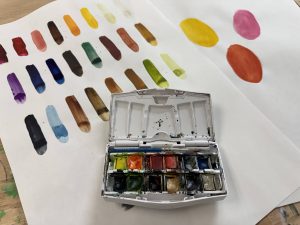
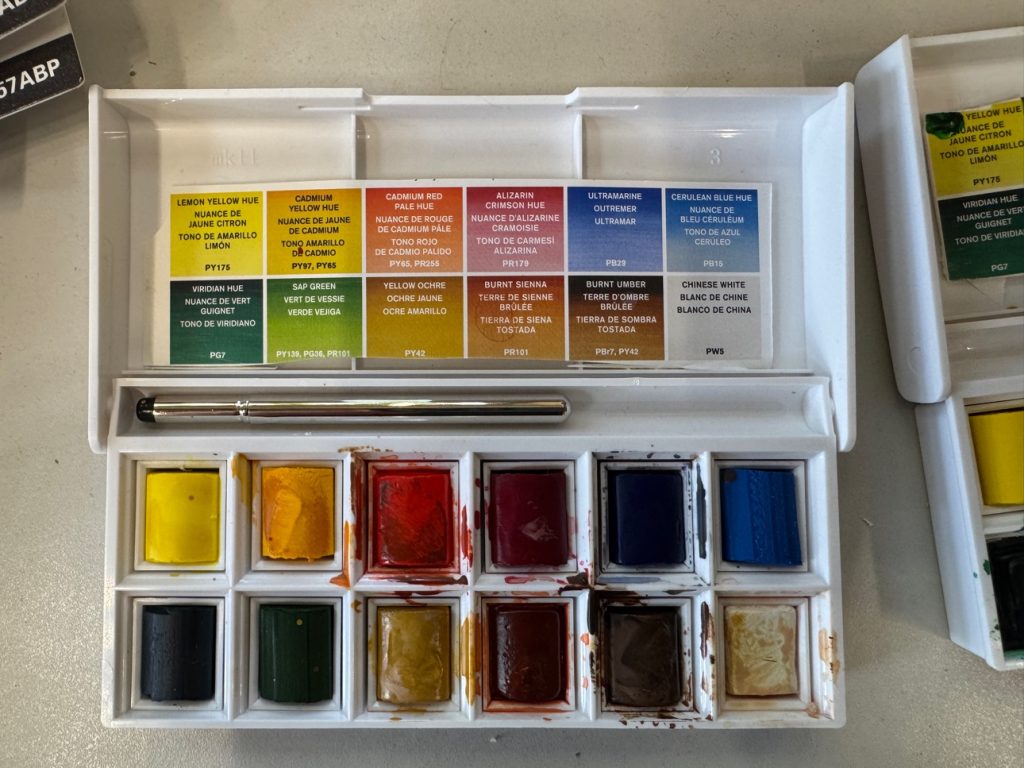
Watercolor is the hardest to control, because water is part of every proportion. You are not only balancing paint against paint. You are balancing paint against water, and the mix changes again as it dries on the paper. Paint from pans is harder to control than paint from tubes, because it is harder to pick up a consistent amount each time. None of this makes watercolor a bad choice. It makes it the medium where good mixing habits matter most.
Habits that build control
Control is not a secret and it is not a gift. It is a few plain habits, repeated until they become automatic.
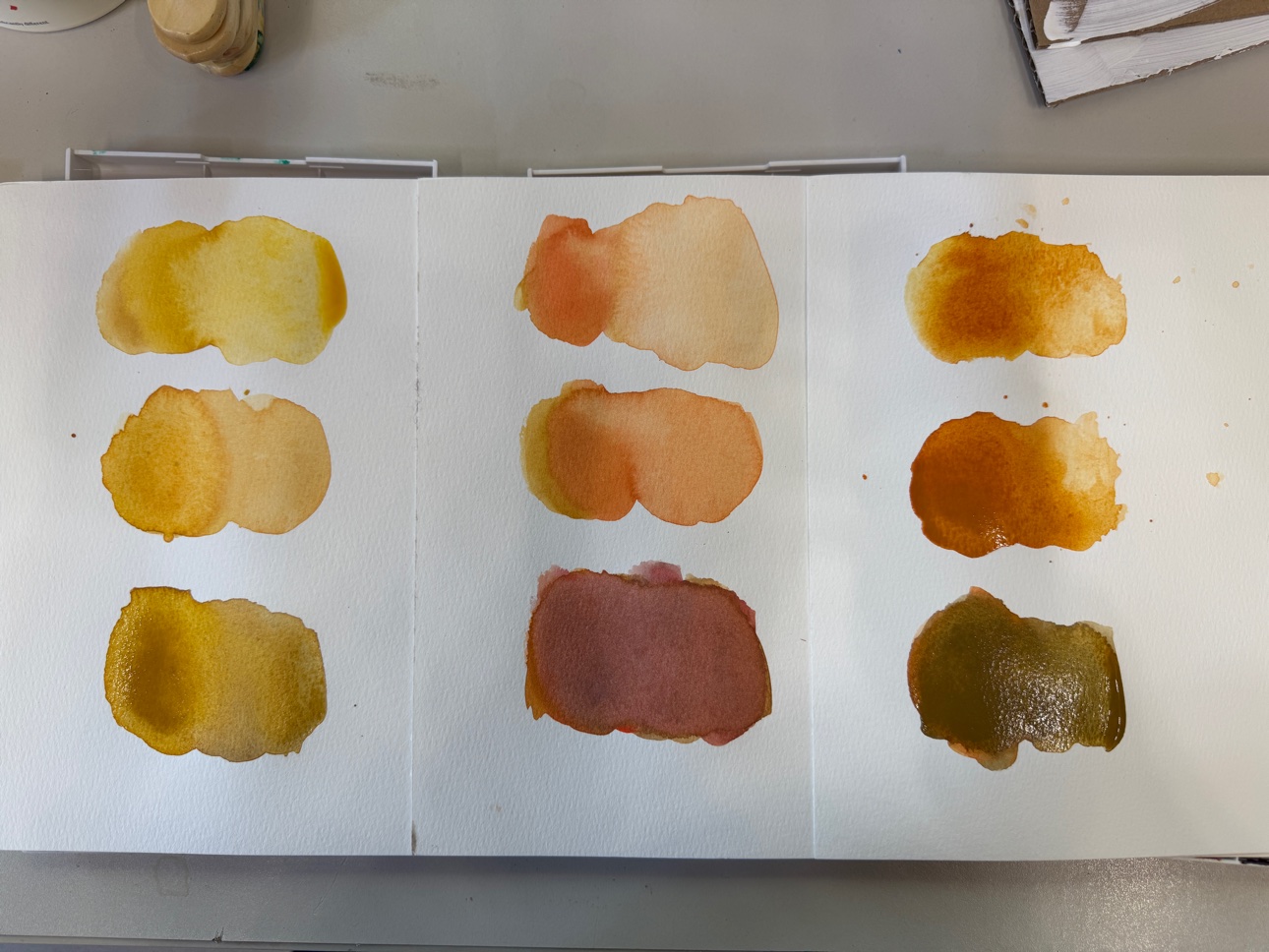
- Make small test mixes first. Before a mix goes on the painting, try it on scrap paper or on the edge of the sheet and let it dry. What you see while it is wet is not always what you get.
- Mix enough paint for the whole passage. Running out halfway forces you to recreate the mix, and the second version is rarely identical to the first. A little extra paint is cheaper than a visible mismatch.
- Keep a swatch sheet. When a mix works, paint a patch of it and write down what went into it. Over a few months this becomes your own reference book, written in your own hand.
- Change one thing at a time. If a mix is wrong, adjust the proportion before you change the colors. Most mixes are one small correction away from right.
None of these habits is glamorous. Together, they are the difference between mixing by luck and mixing on purpose.
The same mix, different hands
One last thing, because it discourages people more than it should. Even when two painters use the same colors and the same proportions, each of them gets a slightly different result.
That is not a mistake. The sense of color differs from person to person. Your eye weighs warmth and coolness a little differently than mine does. So your mix will lean your way, and mine will lean mine.
This is why the correction at the easel comes with practice, not with any fixed formula. You learn your own tendencies by mixing, checking, and mixing again. The goal is not to copy somebody else’s result. The goal is to get the color you intended, on purpose, most of the time.
Learning to mix in class
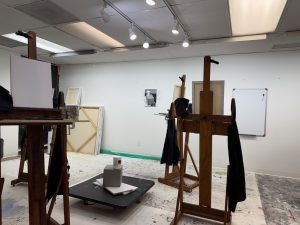
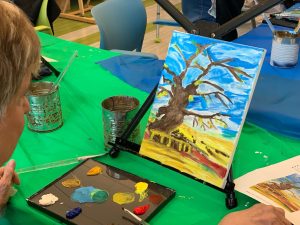
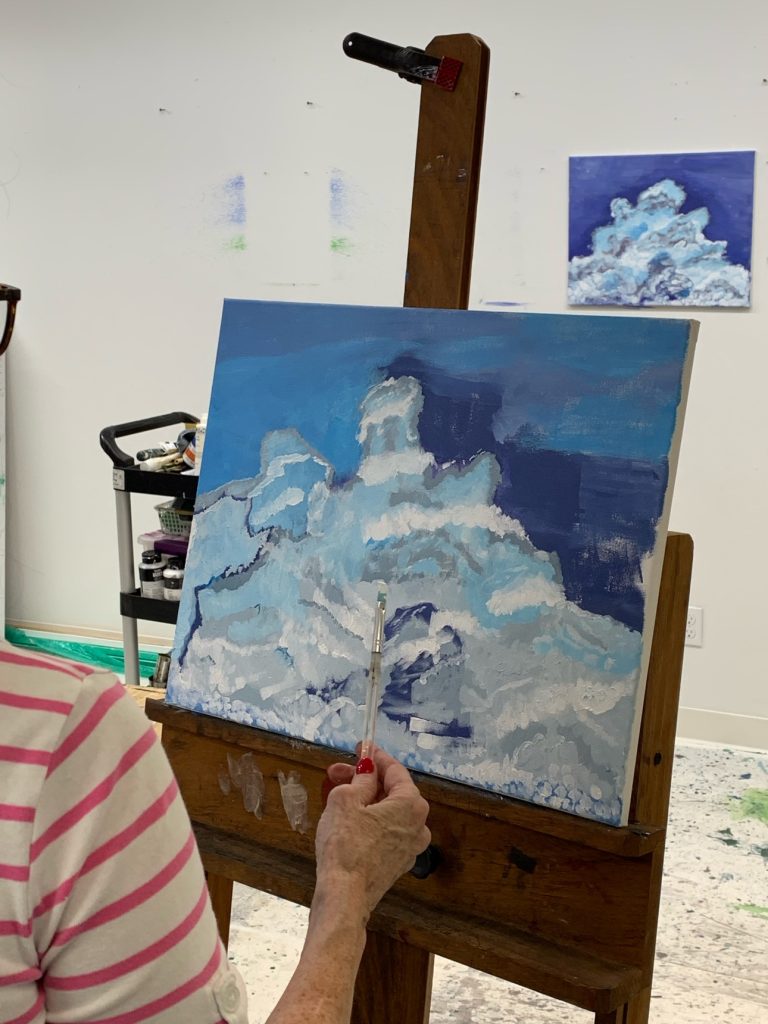
In my evening classes for adults at my studio in Richardson, mixing is not a lecture topic. Students mix at their own easels, on their own paintings, and I come around and help while the paint is still wet and a correction can still change the result.
Nobody mixes the right color on the first try. That is normal, and it is not a verdict on your ability. It only means your proportions need practice, like everyone else’s.
The acrylic painting class meets on Tuesdays and the watercolor painting class meets on Thursdays, each from 6 to 9 PM, in small groups. If you want the background on how I teach, you can read about the academy on my artist website.
Start with the idea that mixing is amounts, not magic. Add strong colors slowly. Keep your mixes simple. Test before you commit. Do that for a few months, and the colors that used to surprise you will start arriving on purpose.
A session in either class also makes a solid gift: an Art Be You gift card covers it in full. I post class work and mixing exercises on Instagram and Facebook.