

This is the question I hear most often from new students. Someone wants to start painting. They look at my two evening classes, acrylic on Tuesdays and watercolor on Thursdays, and they freeze. They worry about picking the wrong one.
I teach both classes every week in my Richardson studio, so I can give you a straight answer. The two paints behave very differently. They reward different habits. They even suit different temperaments. But here is the good news first: there is no wrong choice. Skills move between the two mediums. What you learn about color, mixing, and composition in one class carries straight into the other.
This guide walks through how each paint actually behaves, who tends to love each one, and what surprises beginners most. By the end you will have a simple way to decide.
The short answer
If you want bold color, fast results, and the freedom to paint over your mistakes, start with acrylic. If you want a calm, light, portable medium that rewards patience and planning, start with watercolor.
That is the whole decision in two sentences. Everything below is the detail behind it. If one of those sentences already sounds like you, you can stop here and sign up with confidence. If you are still torn, keep reading.
How acrylic paint behaves
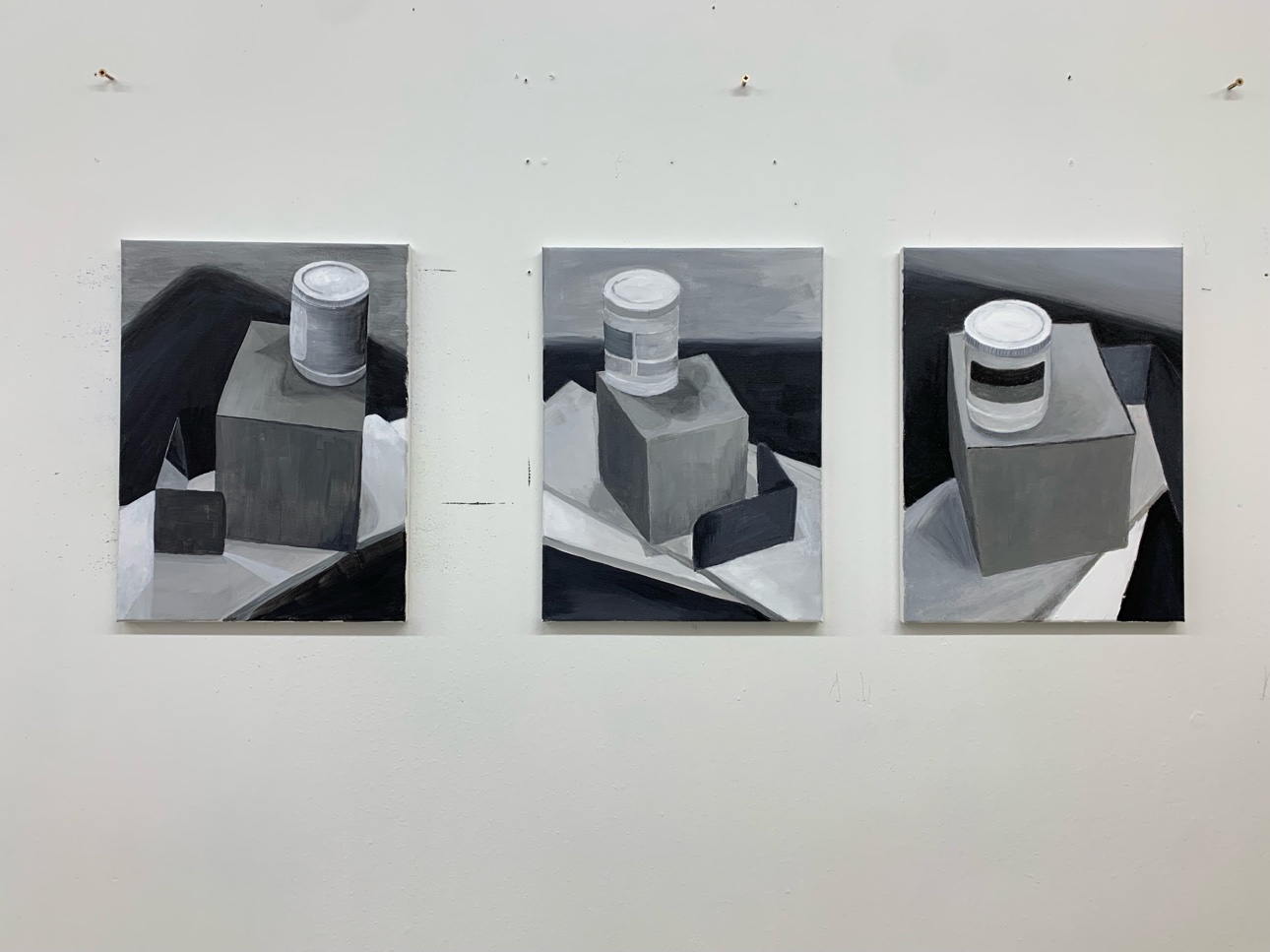
Acrylic is a modern, water based paint. It is opaque, which means it covers what is underneath it. You build a painting in layers, light over dark or dark over light, and the top layer wins.
Three things define acrylic for a beginner:
- It dries fast. A thin layer can be dry in minutes. You never wait long to add the next layer.
- It forgives. If a passage goes wrong, let it dry and paint over it. The mistake disappears under fresh paint.
- It cleans up with water. No solvents, no strong smells. Brushes wash out in the sink.
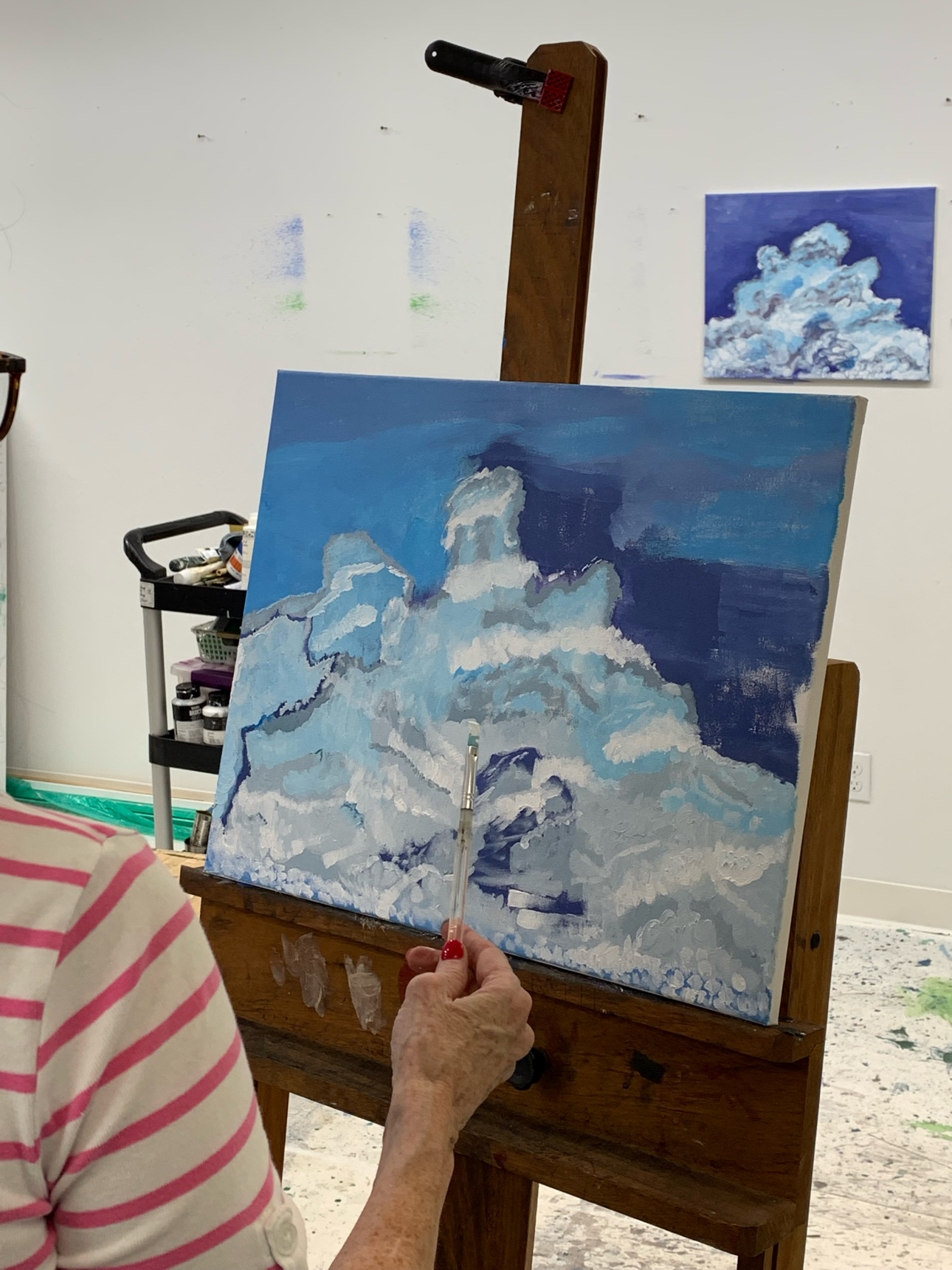
Acrylic color also stays close to what you see on the palette. What you mix is roughly what you get on the canvas. That predictability helps new painters trust their eyes early on.
What beginners love about acrylic
Beginners love the sense of control. You can push the paint around, scrape it back, and change your mind. A sky that came out too dark is not a ruined painting. It is just a layer waiting for the next one.
They also love the color itself. Acrylic can be vivid and strong. If you are drawn to bold paintings with clear shapes and rich color, acrylic speaks that language naturally.
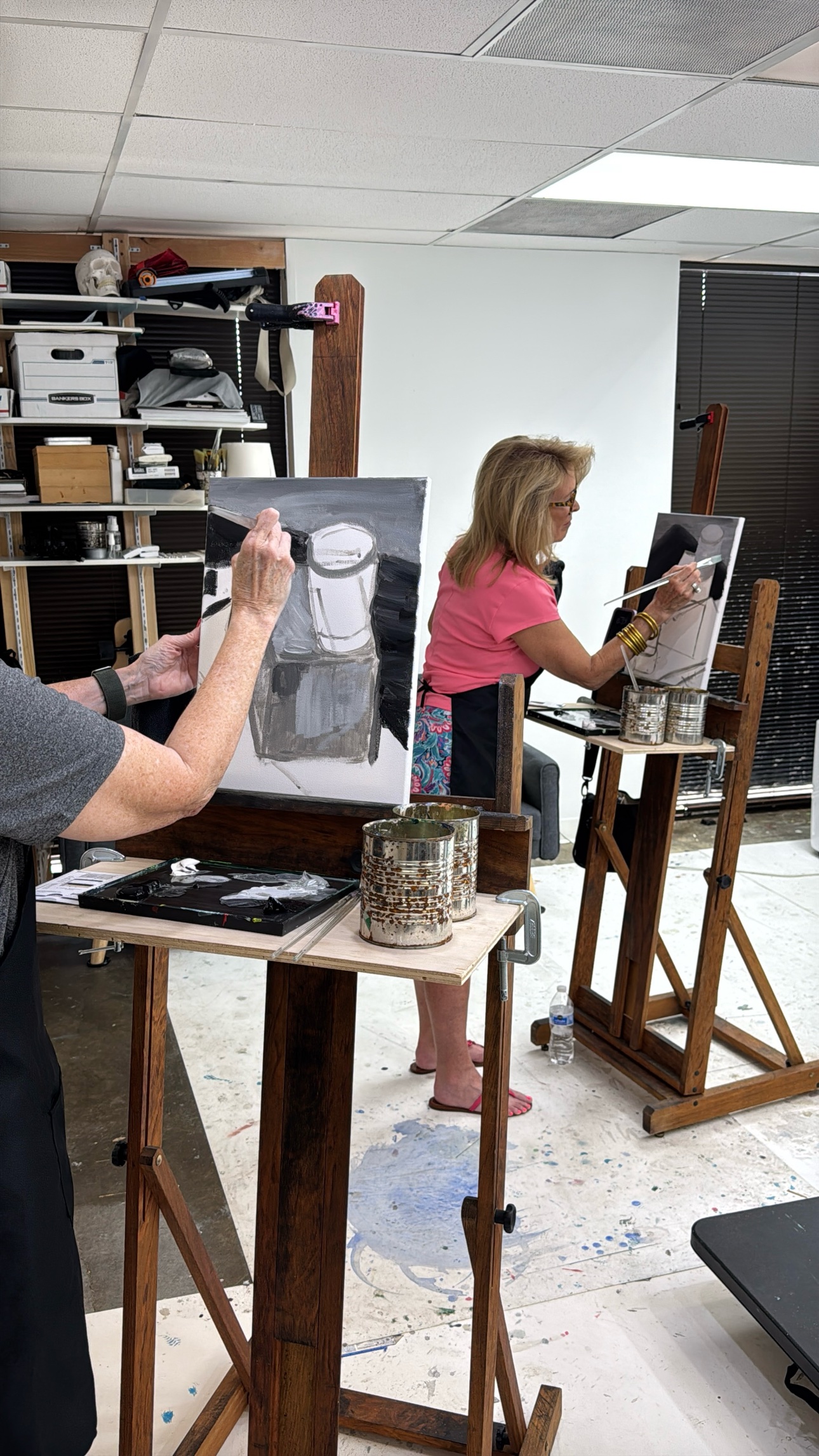
What surprises beginners about acrylic
The speed surprises people. Fast drying is a gift when you want to layer. It is a challenge when you want to blend. A soft gradient that stays wet for an hour in oil paint may give you only a few minutes in acrylic. You learn to work in sections, and to mix enough paint before you start.
The other surprise is that dried acrylic is permanent. A spot on your clothes is there for good. In class that is not a problem, since every material is provided and work clothes solve the rest. At home, an apron earns its place.
How watercolor behaves
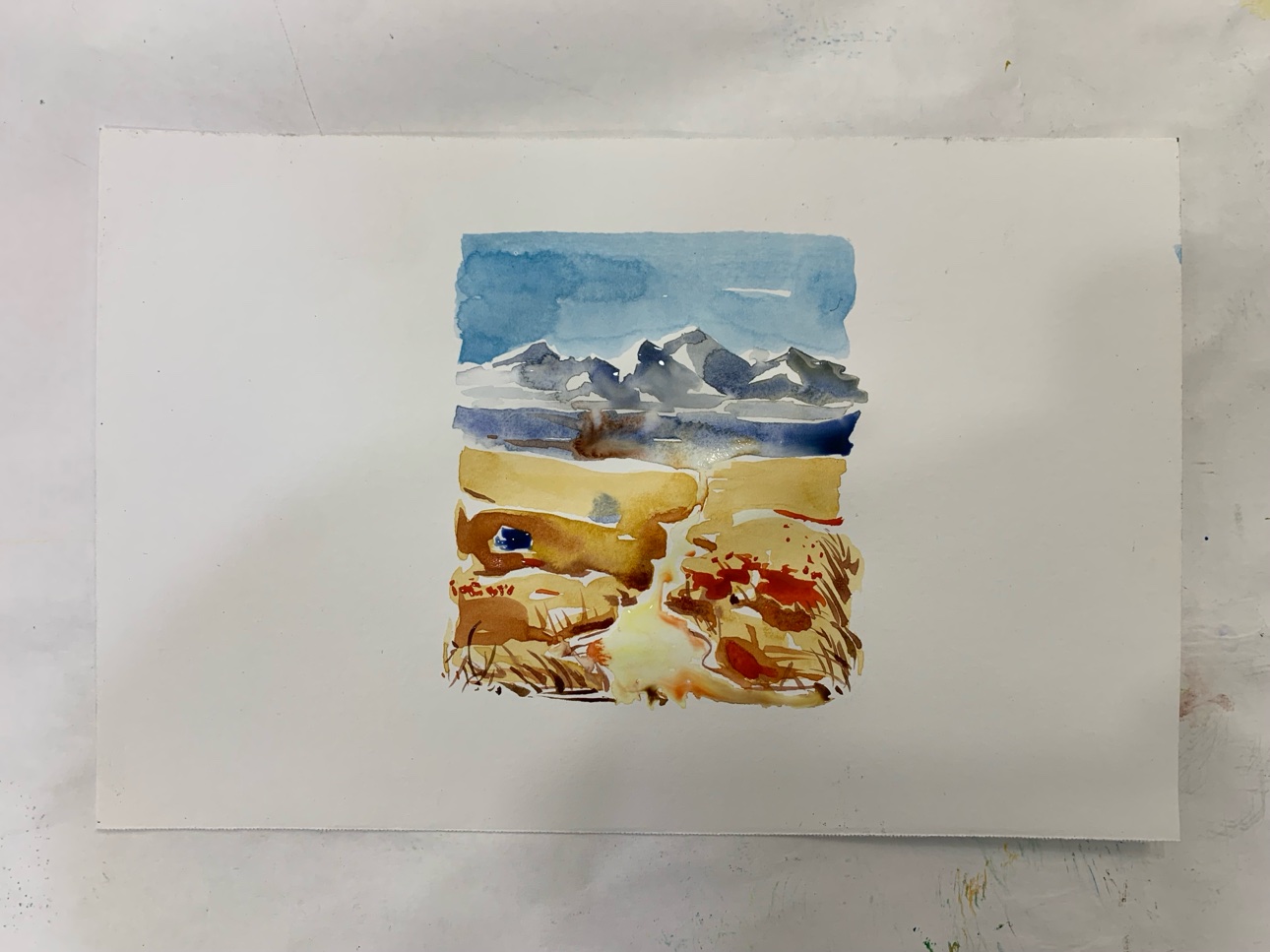
Watercolor is transparent paint. The white of the paper is your white. Light passes through the color and bounces back off the paper, which is why a good watercolor glows in a way no other medium quite matches.
Three things define watercolor for a beginner:
- It dries lighter than it looks. A wash that looks deep and rich while wet will dry a shade or two paler. You learn to mix a little stronger than you think.
- It moves. Water carries the pigment, and the water has its own ideas. Blooms, edges, and soft blends happen on their own.
- It is hard to undo. You cannot paint over a dark mistake with light paint, because there is no opaque white waiting to rescue you. Some lifting is possible, but the paper remembers.
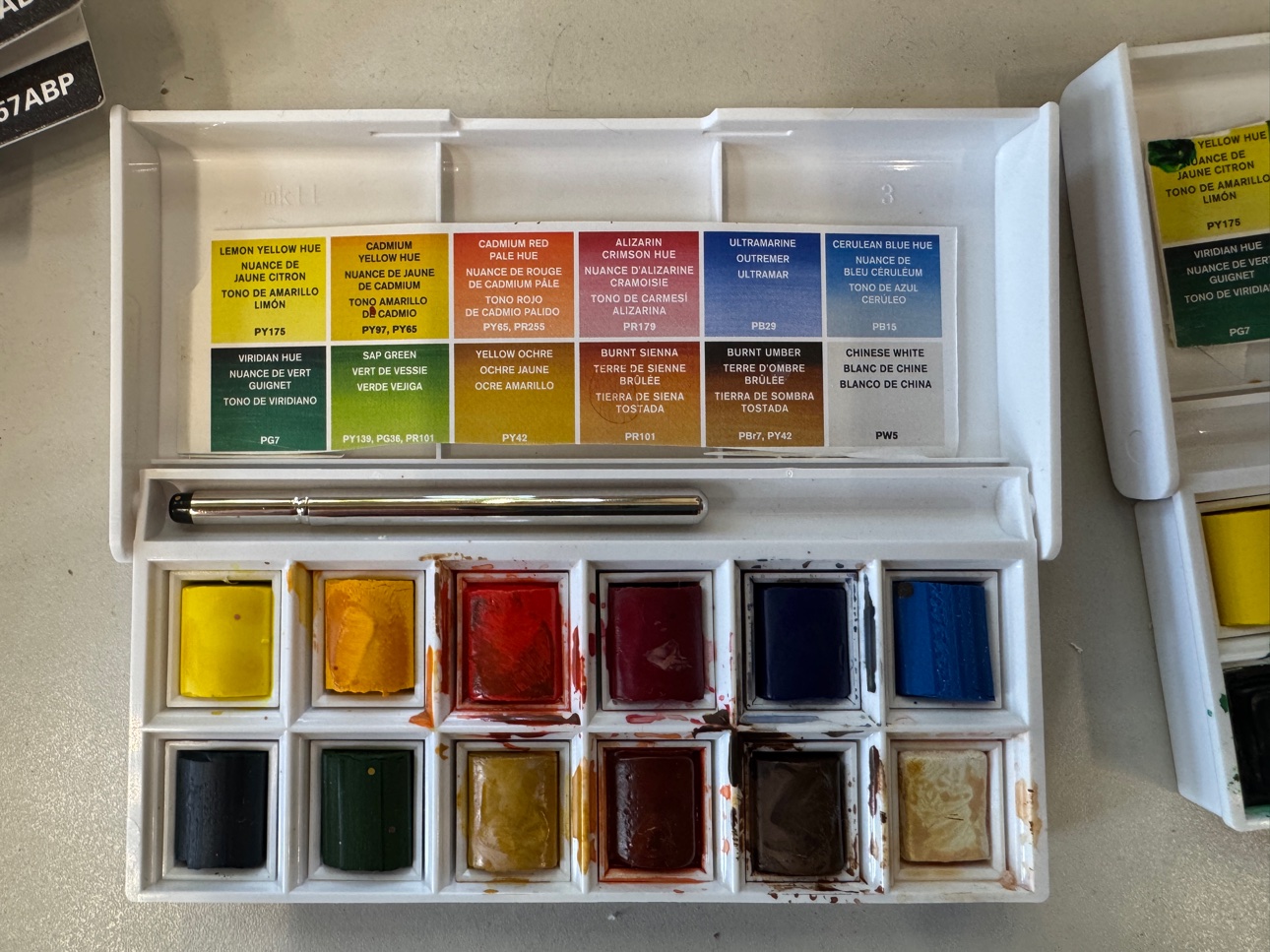
Watercolor asks you to plan. You save your lightest lights from the start. You work from light to dark. You think one step ahead.
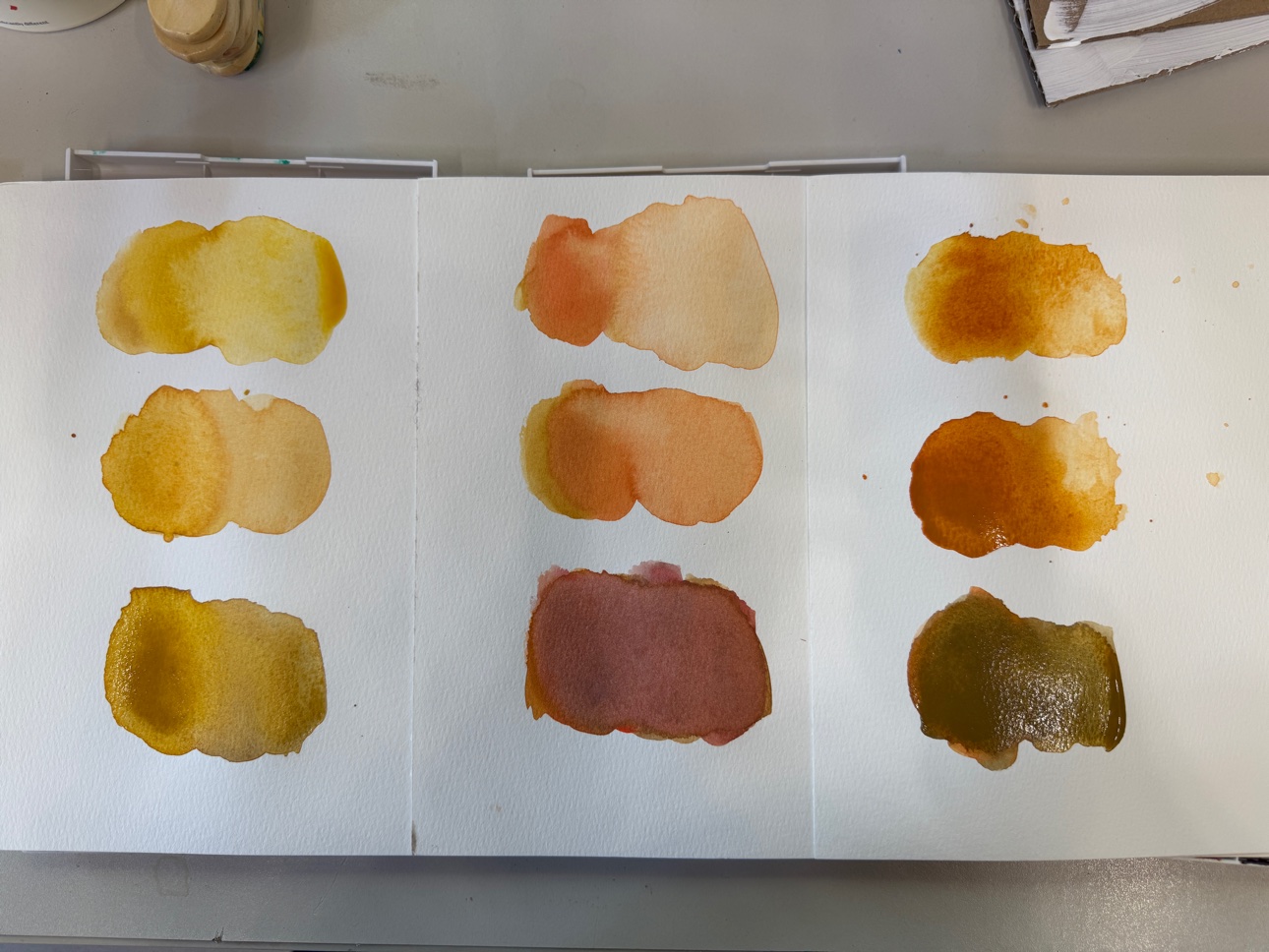
What beginners love about watercolor
Beginners love how little it takes to start. A small paint set, a brush, water, and paper. The setup fits in a bag. Cleanup takes a minute. If you want a creative habit that fits a busy life and a small table, watercolor is hard to beat.
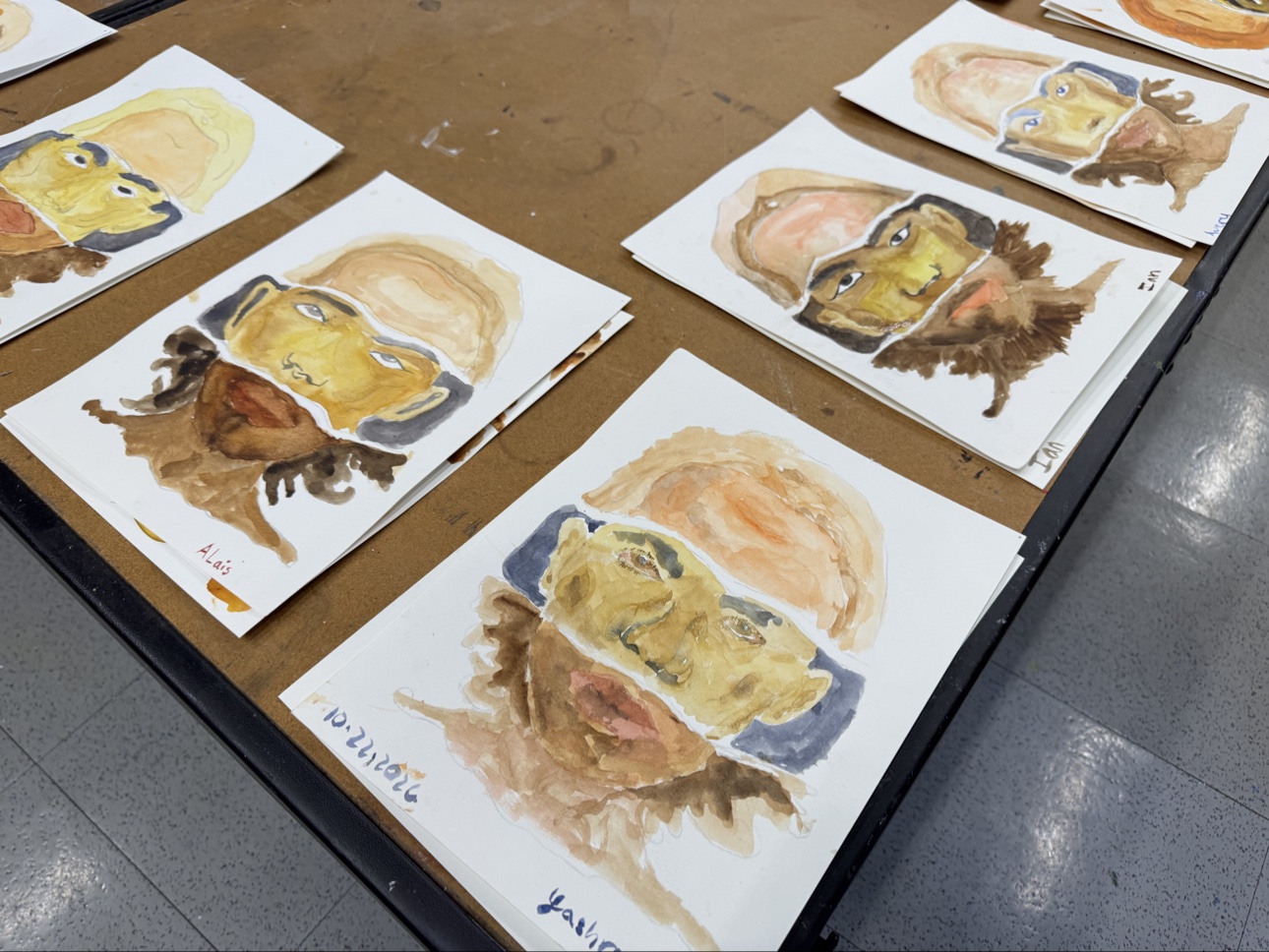
They also love the freshness of it. A loose watercolor has a lightness that feels alive. When a wash lands well, it looks effortless, even when it took real thought to place it.
What surprises beginners about watercolor
The loss of control surprises people first. The water spreads. Two colors meet and do something you did not plan. Some beginners fight this and get frustrated. The ones who learn to enjoy watercolor start treating those surprises as gifts the medium gives back.
The drying shift surprises people second. Your painting will look different dry than it did wet, always lighter. This is not a flaw. It is a habit you build, like a musician tuning an instrument by ear.
Practicing at home: the honest difference
Class gives you the teaching. Practice at home is where the habit forms. Here the two mediums differ in ways worth knowing before you choose.
Watercolor is the cheaper and smaller habit. A basic set of paints, a couple of brushes, a pad of watercolor paper, and a jar of water will carry you a long way. It all fits in a drawer or a tote bag. You can set up on a kitchen table, paint for twenty minutes, and put everything away before dinner. Leftover paint dries in the pan and wakes up again with a wet brush next time. Nothing is wasted.
Acrylic asks for a little more room and a little more money. You need paints, brushes, a palette, and something to paint on, such as canvas boards or acrylic paper. Paint squeezed out for a session is used that session or lost, because it dries on the palette. You also want a corner where a wet painting can sit undisturbed while it dries. None of this is expensive or difficult. It is simply a bigger footprint than watercolor.
One shared truth matters more than the cost difference. The medium you will actually use at home is the right medium. A compact watercolor kit you open three times a week beats a full acrylic setup that stays in a closet, and the reverse is just as true. Think about your real space and your real evenings, not the ideal version of either.
Who tends to love each one
After years of teaching both, I see patterns. They are not rules. Plenty of people surprise me. But these tendencies hold up well.
Acrylic tends to fit you if:
- You are impatient in a good way. You want to see results the same evening.
- You like to experiment. Trying a bold move feels fun, not risky, because you can paint over it.
- You think in shapes and strong color. You like paintings you can read from across the room.
- You change your mind often. Acrylic lets a painting evolve as you go.
Watercolor tends to fit you if:
- You are calm and methodical. Planning a few steps ahead feels satisfying, not stressful.
- You like a light touch. Delicate color and soft edges appeal to you.
- You want a practice that travels. Sketchbook painting on a trip or in a garden sounds like your idea of a good afternoon.
- You enjoy a medium with a mind of its own. The happy accident is part of the pleasure.
Notice something important. Neither list mentions talent. I have never met a beginner who was simply “not a watercolor person” by birth. Temperament points you to a starting line. It does not set a finish line.
A simple decision checklist
If you are still unsure, answer these five questions honestly. Count where your answers land:
- Do you want to fix mistakes by covering them, or avoid mistakes by planning? Covering points to acrylic. Planning points to watercolor.
- Do you want to paint big and bold, or small and light? Big and bold points to acrylic. Small and light points to watercolor.
- Do you want a full painting result in your first session, even a rough one? That urgency points to acrylic.
- Do you want a hobby kit that fits in a drawer and sets up in two minutes? That points to watercolor.
- Which pictures do you keep saving on your phone: rich, opaque paintings, or airy, transparent ones? Trust your eye. It usually knows before you do.
Three or more answers pointing one way is a clear signal. Follow it.
Still cannot decide?
Then decide by schedule, or by coin toss, and do not feel bad about it. I am serious. The first medium teaches you to see. You learn how color works, how to mix what you intend, how to build a composition that holds together. None of that is wasted when you try the other medium later. It transfers.
Many of my students end up taking both classes over time. They start with one, get comfortable, and then get curious about the other. The curiosity is a good sign. It means the first class did its job.
The only real mistake is not starting at all because the choice felt too big. It is one session of classes, not a marriage.
How the two classes run at Art Be You
Both classes meet in the evening at my studio in Richardson. Acrylic is on Tuesdays and watercolor is on Thursdays, each from 6 to 9 PM. Classes run in multi-week sessions, so you build on what you did the week before instead of starting over every time.
Every material is included. You do not bring paint, brushes, or anything else. The class pages carry the current session dates, the price, and the seats still open: the acrylic painting class meets on Tuesdays and the watercolor painting class meets on Thursdays. Sessions run through the year, so if the current dates do not fit your schedule, the next round will.
And if this year does not work for you, the classes continue into next year. A new semester of sessions starts in the new year, with the same Tuesday acrylic and Thursday watercolor evenings. If the end of this year is too busy, consider starting fresh next year instead.
Every material is provided. You do not buy supplies to start, and you do not need experience. You show up, and the paint, brushes, and paper or canvas are waiting for you.
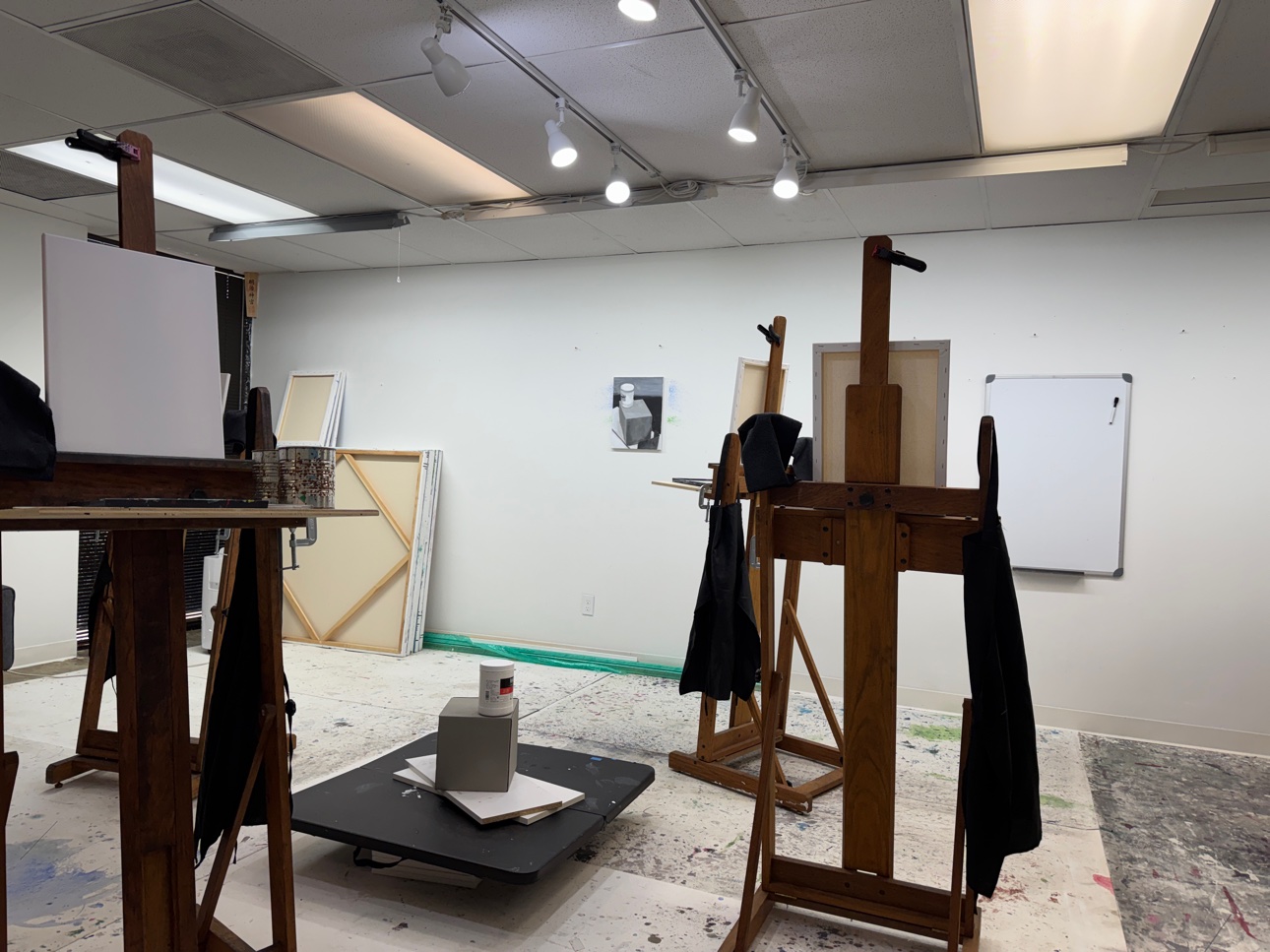
I also want to be honest about how I teach. I do not run a fixed week by week plan. Every group is different, so the pacing flexes with the people in the room. If the group needs another evening on mixing color, we take it. If the group is ready to move faster, we move. You learn the medium by painting, with guidance while you work, not by sitting through lectures.
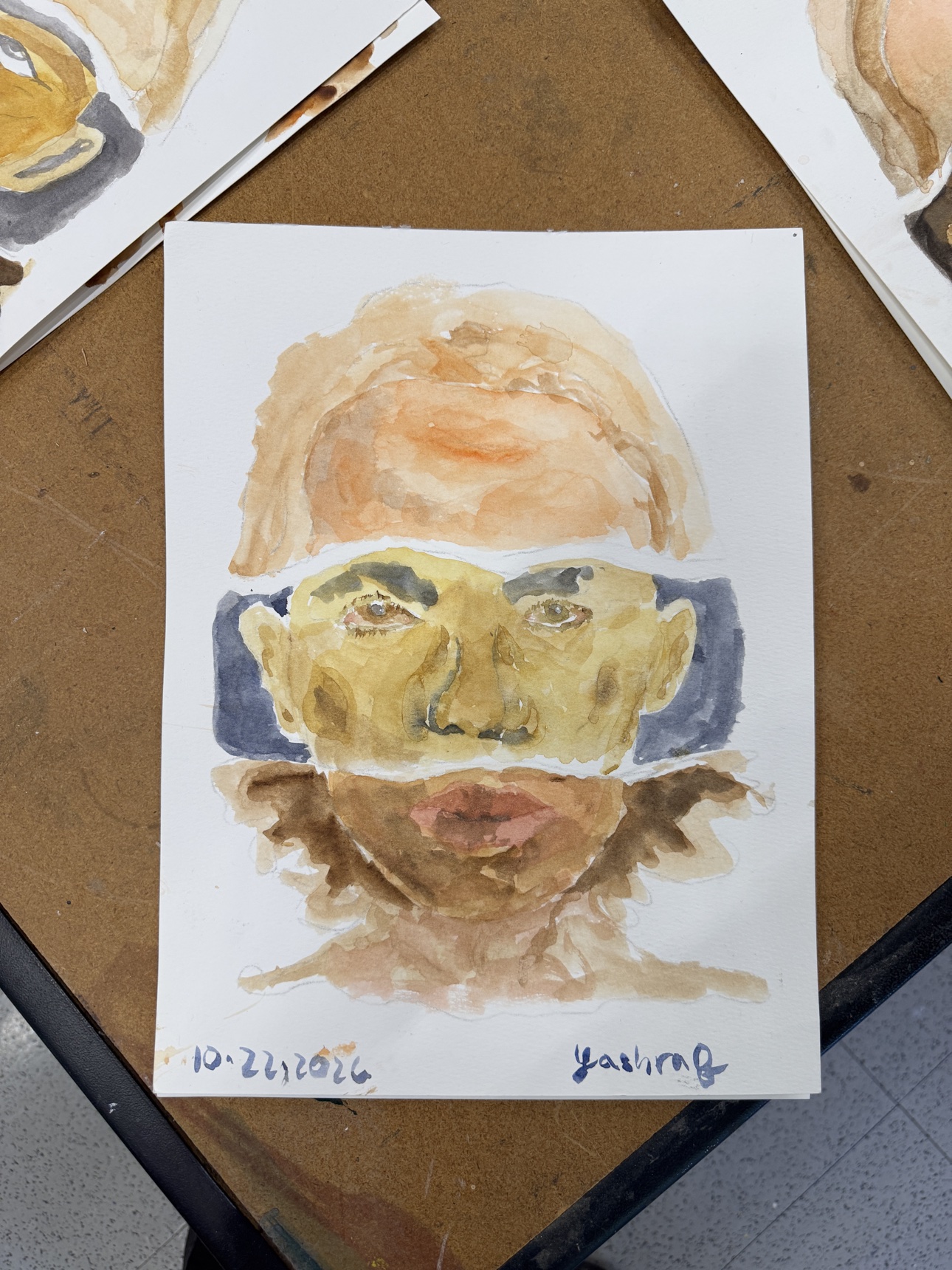
Start with either one
So, acrylic vs watercolor for beginners comes down to this. Acrylic if you want bold, fast, and forgiving. Watercolor if you want light, calm, and planned. Both if you stay curious long enough.
You can read the details of each class and see the upcoming sessions at artbeyou.com. Pick the one that sounds like you, come paint for a session, and let the medium itself finish the argument. It will.